 Wednesday June 10th, 2020
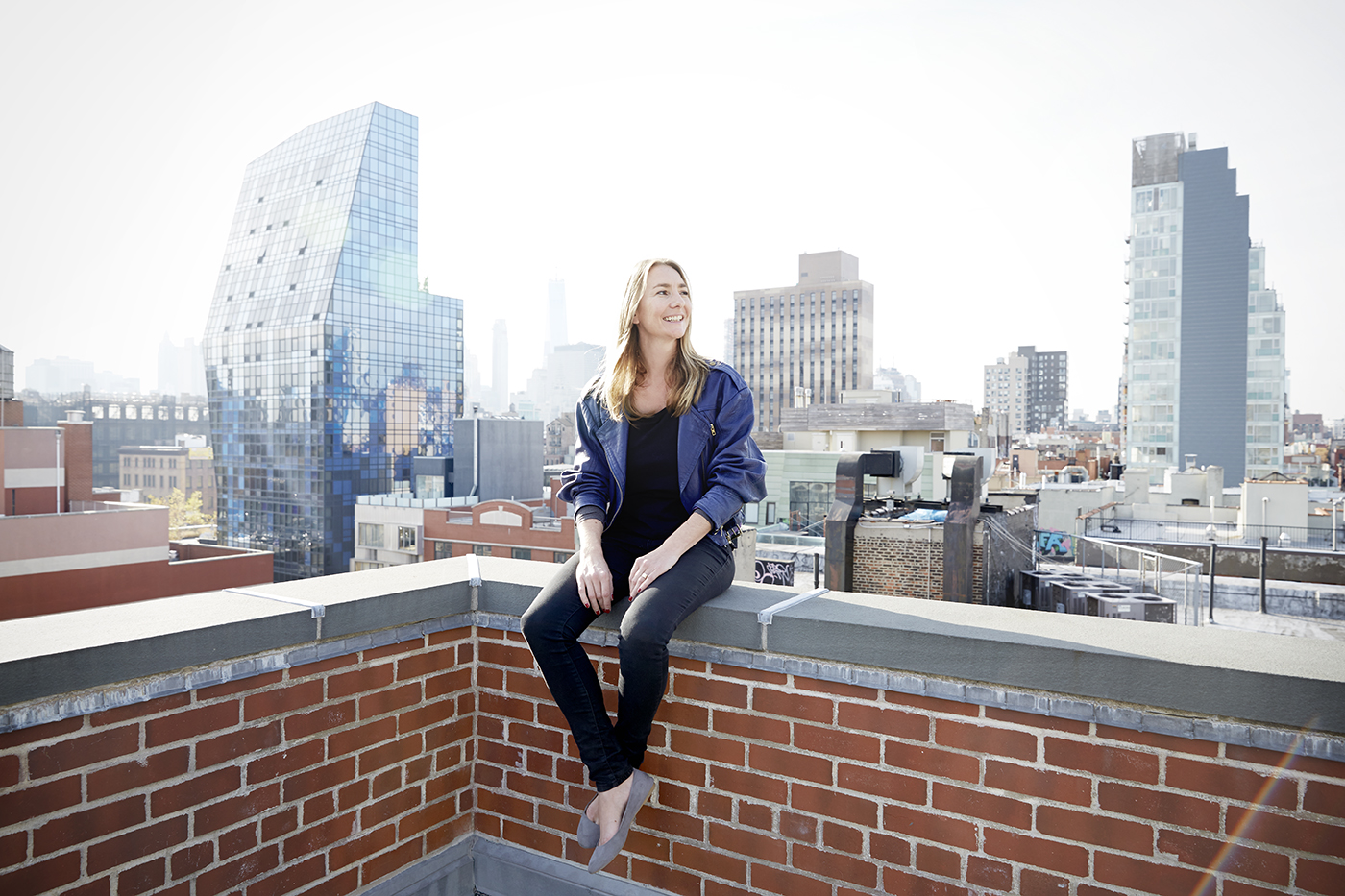
Quarantine Notes from New York
Vancouver Biennale artists and curators live all over the world, spanning 6 continents. Today we share insights from Australian artist Kristin McIver. …
Wednesday June 10th, 2020
Quarantine Notes from New York
Vancouver Biennale artists and curators live all over the world, spanning 6 continents. Today we share insights from Australian artist Kristin McIver. …
 Thursday May 21st, 2020
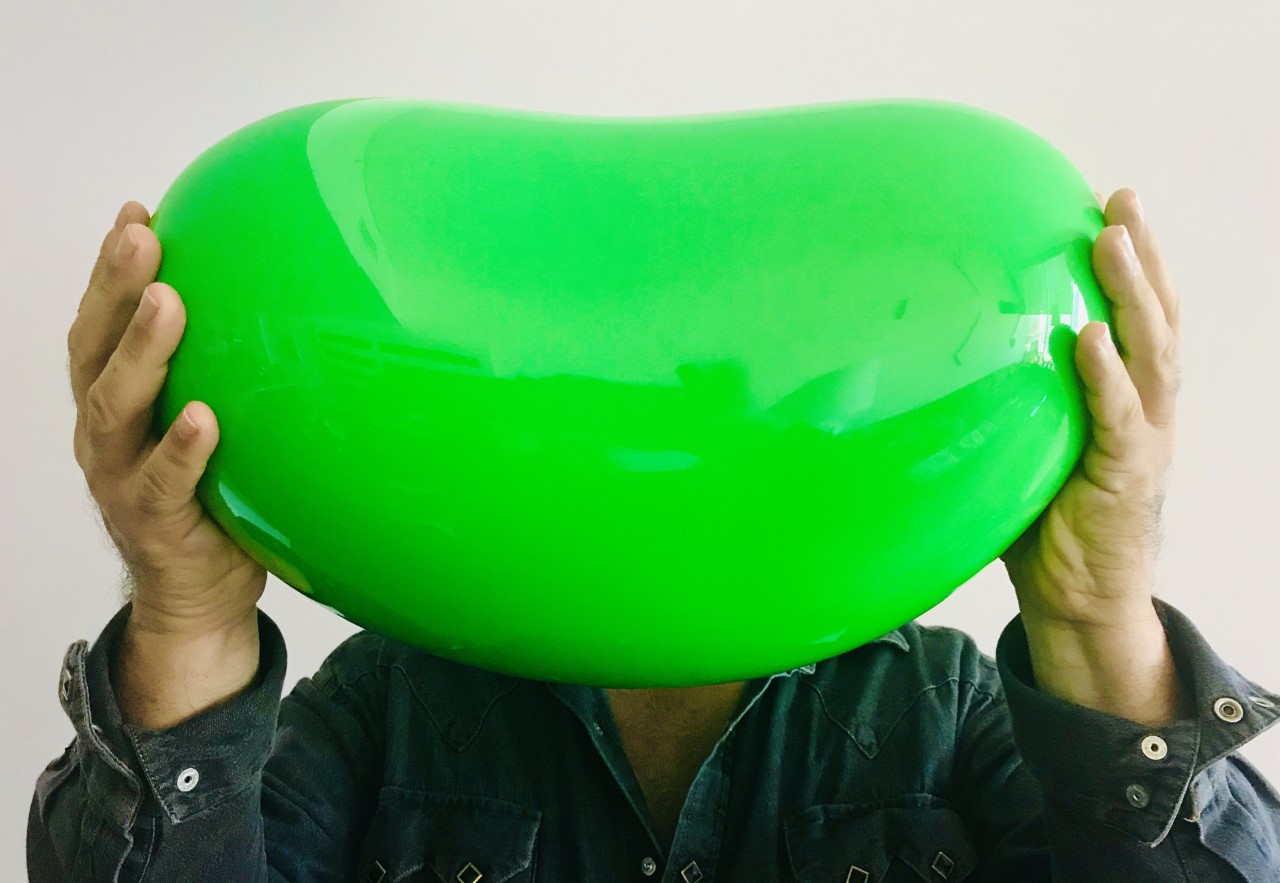
Quarantine Notes from Los Angeles
Vancouver Biennale artists and curators live all over the world, spanning 6 continents. Today we share insights from Canadian-born multidisciplinary…
Thursday May 21st, 2020
Quarantine Notes from Los Angeles
Vancouver Biennale artists and curators live all over the world, spanning 6 continents. Today we share insights from Canadian-born multidisciplinary…
 Friday May 8th, 2020
Quarantine Notes from Havana
Vancouver Biennale artists and curators live all over the world, spanning 6 continents. Today we share insights from Cuban artist Rafael Villares. He…
Friday May 8th, 2020
Quarantine Notes from Havana
Vancouver Biennale artists and curators live all over the world, spanning 6 continents. Today we share insights from Cuban artist Rafael Villares. He…
 Thursday October 10th, 2019
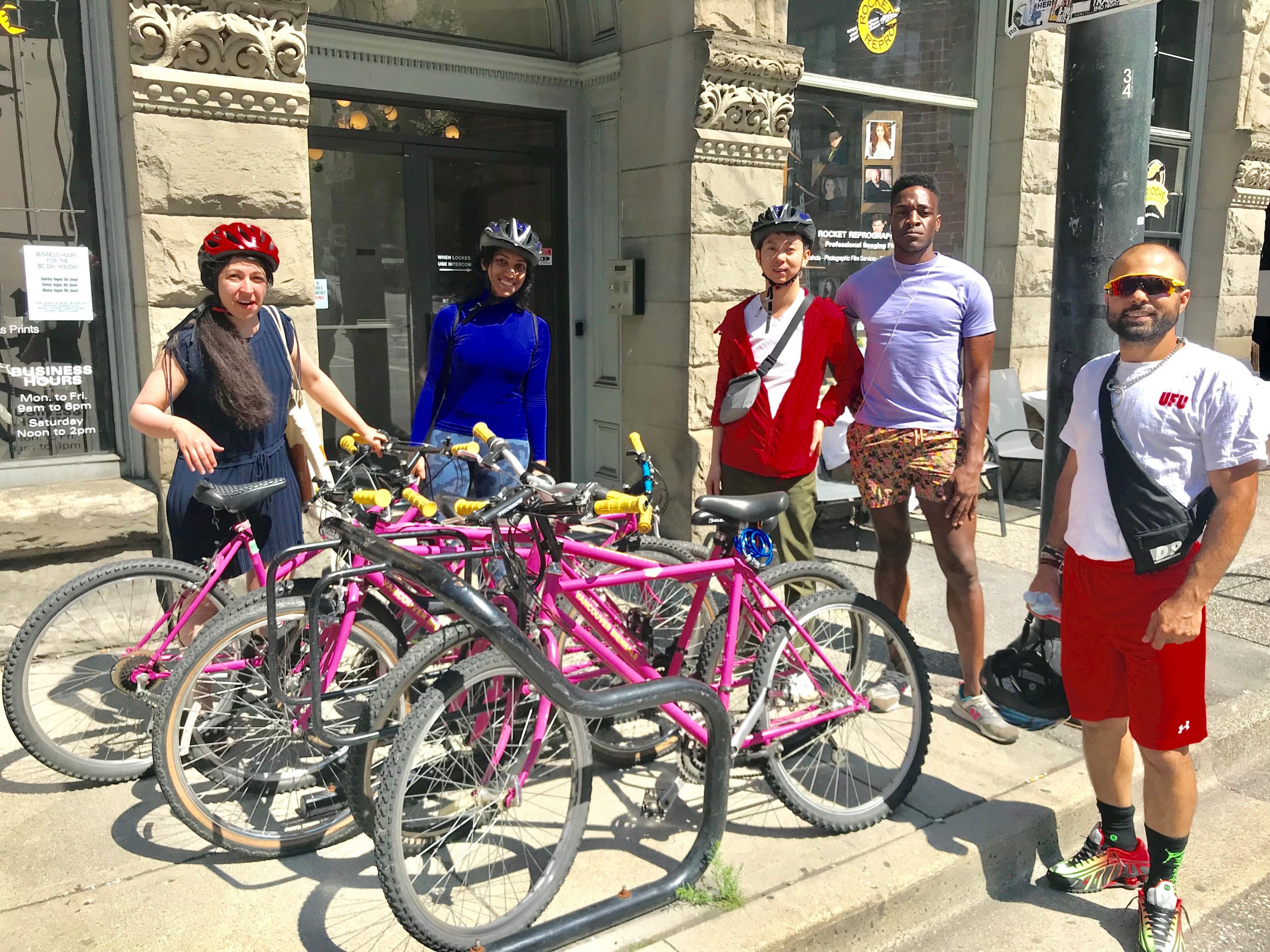
Public Space re-IMAGE-n’d
by Sapira Sutton During the Vancouver Biennale’s summer 2019 International Residency Program, the four artists-in-residence disrupted and…
Friday November 30th, 2018
12 DAYS OF CURIOUS Launches December 3 as CURIOUS IMAGININGS Exhibition Wraps December 15
Vancouver – With just over two weeks to go until Vancouver’s Curious Imaginings immersive sculpture exhibition closes, 12 Days of Curious launches…
Wednesday October 31st, 2018
KIDDO Films “re-IMAGE-n” 2018-2020 Iconic Vancouver Biennale Artworks
The Vancouver Biennale is proud to present three short films created by locally based, creative production studio: KIDDO films. These videos are a…
Tuesday July 10th, 2018
2018 – 2020 Vancouver Biennale Announces Alfredo Jaar: A LOGO FOR AMERICA
VANCOUVER, CANADA – The 2018-2020 Vancouver Biennale, titled “re-IMAGE-n,” is pleased to present the Canadian debut of Chilean artist Alfredo…
Thursday October 10th, 2019
Public Space re-IMAGE-n’d
by Sapira Sutton During the Vancouver Biennale’s summer 2019 International Residency Program, the four artists-in-residence disrupted and…
Friday November 30th, 2018
12 DAYS OF CURIOUS Launches December 3 as CURIOUS IMAGININGS Exhibition Wraps December 15
Vancouver – With just over two weeks to go until Vancouver’s Curious Imaginings immersive sculpture exhibition closes, 12 Days of Curious launches…
Wednesday October 31st, 2018
KIDDO Films “re-IMAGE-n” 2018-2020 Iconic Vancouver Biennale Artworks
The Vancouver Biennale is proud to present three short films created by locally based, creative production studio: KIDDO films. These videos are a…
Tuesday July 10th, 2018
2018 – 2020 Vancouver Biennale Announces Alfredo Jaar: A LOGO FOR AMERICA
VANCOUVER, CANADA – The 2018-2020 Vancouver Biennale, titled “re-IMAGE-n,” is pleased to present the Canadian debut of Chilean artist Alfredo…
 Thursday June 7th, 2018
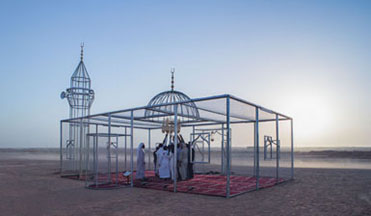
2018-2020 Vancouver Biennale Launches New Series of Transformative Art with Paradise Has Many Gates
VANCOUVER, CANADA – The 2018–2020 Vancouver Biennale launches its latest celebration of transformative art in public spaces June 20 with Saudi…
Thursday June 7th, 2018
2018-2020 Vancouver Biennale Launches New Series of Transformative Art with Paradise Has Many Gates
VANCOUVER, CANADA – The 2018–2020 Vancouver Biennale launches its latest celebration of transformative art in public spaces June 20 with Saudi…
 Monday June 4th, 2018
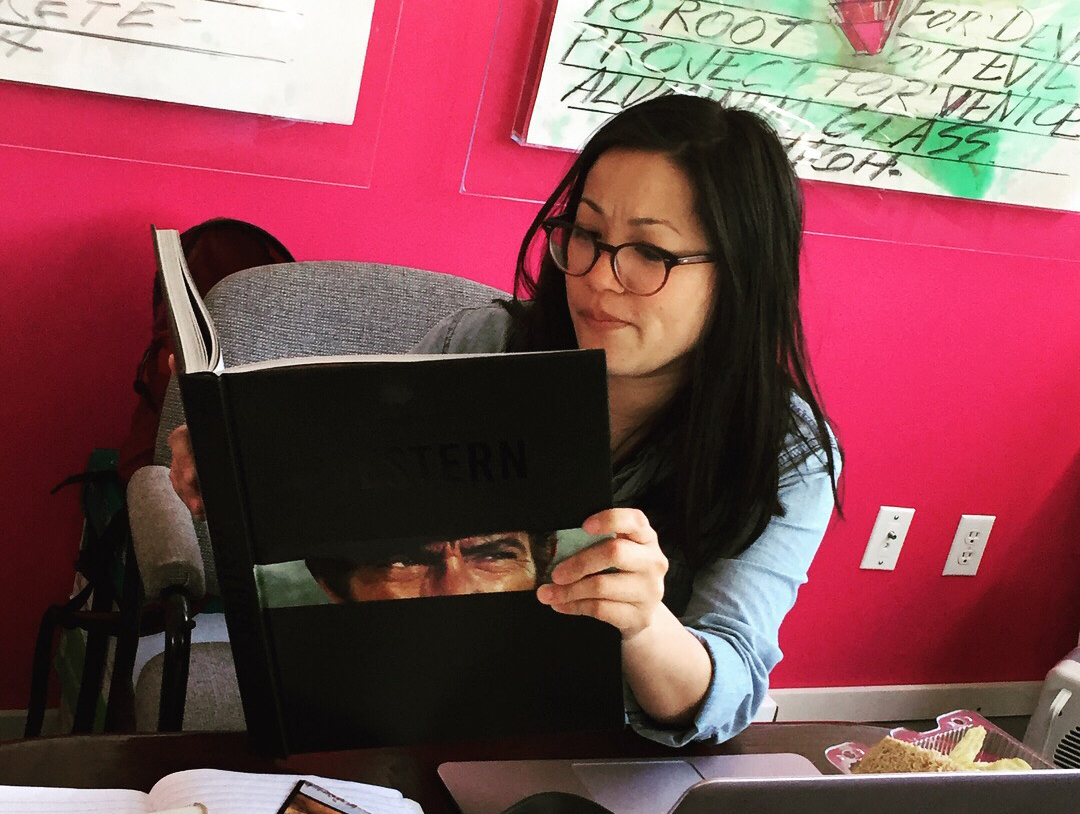
A Conversation with CineFest LIVE Director Joella Cabalu
This week we’re sitting down with Joella Cabalu, Director of Vancouver Biennale’s CineFest LIVE film program to talk Vancouver Biennale, film and all…
Monday June 4th, 2018
A Conversation with CineFest LIVE Director Joella Cabalu
This week we’re sitting down with Joella Cabalu, Director of Vancouver Biennale’s CineFest LIVE film program to talk Vancouver Biennale, film and all…
 Thursday June 1st, 2017
Arts Education: How We Value the Arts
Guest blog by Lucille Pacey, member of the Vancouver Biennale Board of Directors. Why do we constantly have to justify the arts and arts…
Thursday June 1st, 2017
Arts Education: How We Value the Arts
Guest blog by Lucille Pacey, member of the Vancouver Biennale Board of Directors. Why do we constantly have to justify the arts and arts…